

Pinnacle Child Development Clinic, 202, 2nd Floor, Kanaiya Building, Opp. Airtel Store, Linking Road, Bandra West, Mumbai - 400050


When a Child Says “I Can’t Go to School” – Understanding the Reality
In India, studies suggest that 2–5% of school-going children experience significant school refusal at some stage, with higher rates observed in urban settings and during key transition periods such as starting school or moving to higher grades. Dr. Rajeshwari Ganesh, a Developmental and Behavioral Pediatrician, frequently meets families who describe mornings filled with tears, physical complaints such as stomach aches or headaches, and intense distress—while the same child appears relaxed and symptom-free on weekends or holidays.
It is important to understand that school refusal is not misbehaviour. It is a signal. A signal that a child is experiencing emotional overwhelm and has not yet developed the skills to recognise, express, or regulate that distress. Identifying the underlying emotional, developmental, or environmental factors early allows families and schools to respond with empathy, structure, and appropriate support rather than pressure or punishment.
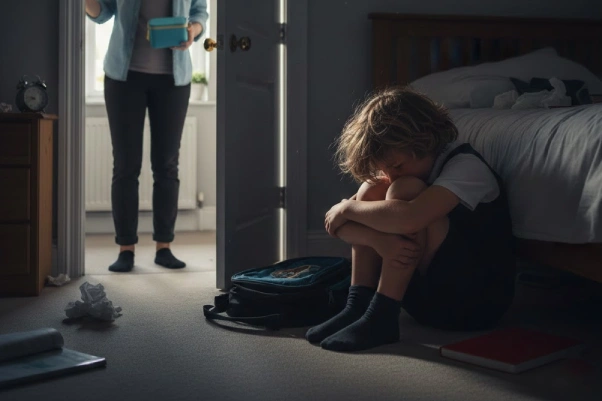
School refusal refers to a child-motivated refusal to attend school or remain in school, often driven by emotional distress. Unlike truancy, these children usually want to do well academically and often feel guilty about missing school.
School refusal is commonly associated with anxiety and emotional regulation difficulties rather than defiance or lack of discipline. Children may express their distress through physical symptoms such as stomachaches, nausea, headaches, dizziness, or fatigue—symptoms that typically resolve once school is avoided.
Children with school refusal may:
In adolescents, school refusal may look more subtle—withdrawal, irritability, sleep disturbance, or refusal masked as “lack of motivation.”
School refusal rarely has a single cause. In my clinical experience, it usually results from a combination of emotional vulnerability and environmental stressors.
Common contributing factors include:
These children are not avoiding school—they are avoiding overwhelming feelings.
Anxiety is the most frequent driver of school refusal. This may include:
Anxiety often expresses itself through the body before it becomes visible as emotional distress, which is why children genuinely feel “unwell” on school mornings.
School refusal may begin suddenly after:
Transitions temporarily reduce a child’s coping capacity, making previously manageable stress feel unmanageable.
The longer a child stays away from school, the harder it becomes to return. Avoidance reinforces anxiety, creating a cycle where staying home brings relief—but increases fear of return.
Early recognition and intervention significantly improve outcomes. When addressed promptly, most children return to school successfully with confidence restored.
A thorough evaluation focuses on understanding why the child is refusing school—not forcing attendance blindly.
Assessment typically includes:
I use internationally standardized developmental and behavioral assessment tools to ensure accurate diagnosis and individualized planning.
School refusal responds best to collaborative, structured intervention.
Key strategies include:
Medication is not always required and is considered only when anxiety is severe and persistent.
Parents play a vital role—not by forcing attendance, but by providing calm consistency. Schools, too, are essential partners. Temporary accommodations, emotional support, and gradual exposure plans can make a meaningful difference.
When needed, involving school counselors or education welfare authorities helps ensure continuity and safety.
Q. Is school refusal just bad behavior?
Anwer: No. It is an emotional response, not defiance.
Q. Do children with school refusal dislike school?
Anwer: Most want to attend school but feel emotionally unable to cope.
Q. Will my child outgrow school refusal?
Anwer: Without intervention, it often persists or worsens.
Q. Is therapy effective for school refusal?
Anwer: Yes. CBT and family-based interventions are highly effective.
Q. Should parents allow the child to stay home?
Anwer: Short-term flexibility may be needed, but prolonged avoidance reinforces anxiety.
“We thought our child was pretending. Once we understood the anxiety, everything changed.”
“The gradual return plan worked. Our son now walks into school confidently.”
“Starting early changed our child’s future.”
Dr. Rajeshwari Ganesh is a Developmental and Behavioral Pediatrician in Mumbai with over a decade of clinical experience. She is trained in internationally recognized assessment tools, including ADOS and Bayley Scales, and specializes in the evaluation of emotional, behavioral, and developmental challenges in children.
Her clinical approach emphasizes accurate diagnosis, parent empowerment, and collaborative intervention planning. By gaining a deep understanding of a child’s emotional world, Dr. Rajeshwari Ganesh helps families guide children toward renewed confidence, emotional resilience, and healthier coping skills.
School refusal is not a failure—of the child or the parent. It is a call for understanding, structure, and timely support. With early identification, compassionate guidance, and coordinated care, children can return to school with confidence and emotional strength. The goal is not just attendance, but long-term emotional well-being.
Pinnacle Child Development Clinic, 202, 2nd Floor, Kanaiya Building, Opp. Airtel Store, Linking Road, Bandra West, Mumbai – 400050
📞 +91 77000 58024
📧 ganesh.ramaa@gmail.com
🌐 https://www.drrajeshwariganesh.com
🕒 Open: 24×7 × 365 Days
Copyright © 2023 | Dr. Rajeshwari Ganesh.